
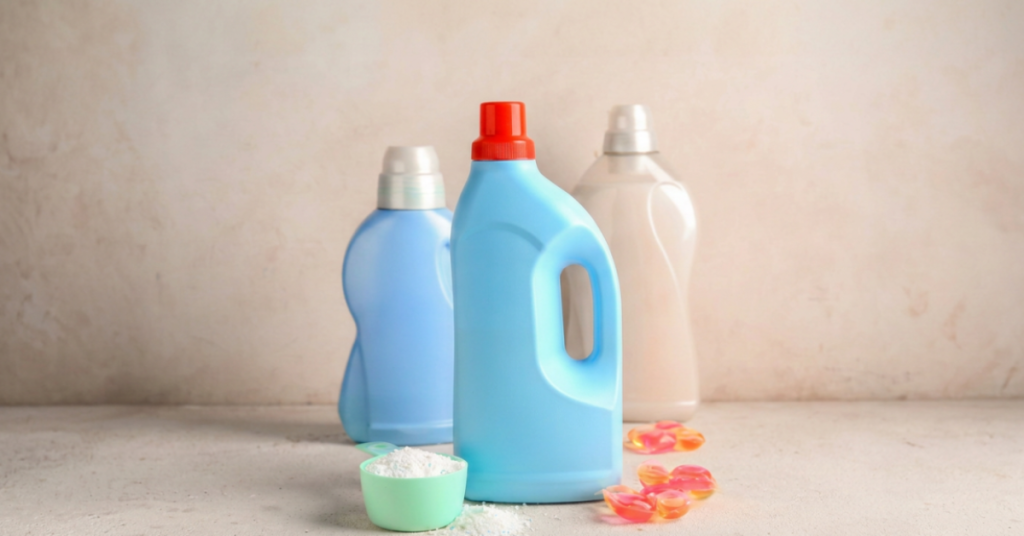
Fabric Softener: Helpful or Harmful? What It Actually Does to Your Clothes
Walk down any supermarket aisle in Dubai and you’ll find shelves stocked with fabric softeners promising softer towels, fresher scents, and static-free clothes. It’s become such a standard part of laundry routines that most people add it without a second thought. But does fabric softener actually help your clothes — or is it quietly working against them?
The honest answer: it depends on what you’re washing.
What Fabric Softener Actually Does
Fabric softener works by coating fibers with a thin layer of chemical compounds — usually silicone- or oil-based — that reduce friction between fibers. This is what makes towels feel fluffier and shirts feel smoother right out of the wash. It also helps reduce static cling and can leave clothes smelling fresh for longer.
On the surface, that sounds like a win. But that coating is also where the problems start.
The Case For Fabric Softener
Used correctly and on the right fabrics, fabric softener does offer real benefits:
- Reduces static cling, especially useful in Dubai’s dry, air-conditioned indoor environments
- Softens rougher fabrics like cotton towels and bedsheets
- Makes ironing easier by relaxing fibers and reducing wrinkles
- Adds a long-lasting scent, which many people simply prefer
For everyday cottons, bedding, and casual wear, a moderate amount of fabric softener can genuinely improve how clothes feel.
The Case Against Fabric Softener
The downsides come from that same fiber-coating effect, and they add up over time:
It reduces absorbency. The waxy coating fabric softener leaves behind is especially damaging to towels and gym clothes. Over repeated washes, towels lose their ability to absorb water, and moisture-wicking activewear stops wicking moisture the way it’s designed to.
It can damage performance fabrics. Activewear, microfiber, and moisture-wicking materials rely on open fibers to function. Fabric softener clogs those fibers, which is why gym clothes washed with softener often start smelling faster, even right after washing.
It weakens fire-resistant and specialty fabrics. Some fabrics — including flame-resistant clothing and certain baby garments — are specifically designed not to be treated with softener, because the coating can compromise the fabric’s intended properties.
It builds up over time. Fabric softener residue accumulates in fibers wash after wash, which can leave clothes looking dull, feeling waxy, and trapping odors instead of releasing them.
It’s not ideal for sensitive skin. The fragrances and chemical compounds in fabric softener are a common trigger for skin irritation, particularly for babies, young children, and anyone with eczema or sensitive skin.
Fabrics That Should Avoid Fabric Softener Entirely
- Towels
- Activewear and moisture-wicking fabrics
- Microfiber cloths
- Flame-resistant clothing
- Baby clothes (unless labeled hypoallergenic and safe for infants)
- Waterproof or water-resistant outerwear
Fabrics Where Fabric Softener Works Well
- Cotton bedsheets
- Casual cotton shirts and everyday wear
- Denim (used sparingly)
- Wool blends, when using a wool-safe formula
A Better Approach
If softness and static reduction are the goal, there are ways to get the benefit without the buildup:
- Use wool dryer balls instead of liquid softener for towels and activewear
- Add half a cup of white vinegar to the rinse cycle as a natural softening alternative
- Reserve fabric softener for cottons and bedding only, skipping it on performance and specialty fabrics
- Periodically run a softener-free wash with hot water to strip built-up residue from towels and gym clothes
The Bottom Line
Fabric softener isn’t inherently bad — it’s a matter of using it on the right fabrics, in the right amounts. For soft cottons and bedding, it can genuinely improve the feel of your laundry. But for towels, activewear, and specialty fabrics, it does more harm than good, quietly reducing performance wash after wash.
If you’re not sure which of your fabrics need extra care — or you’d rather leave the guesswork to professionals — that’s exactly what Wash Masters is for. Our team treats every fabric type differently, using the right products for the right materials, so your clothes stay in the condition they deserve.
Not sure how to care for a specific garment? Book a pickup with Wash Masters and let the professionals handle it.